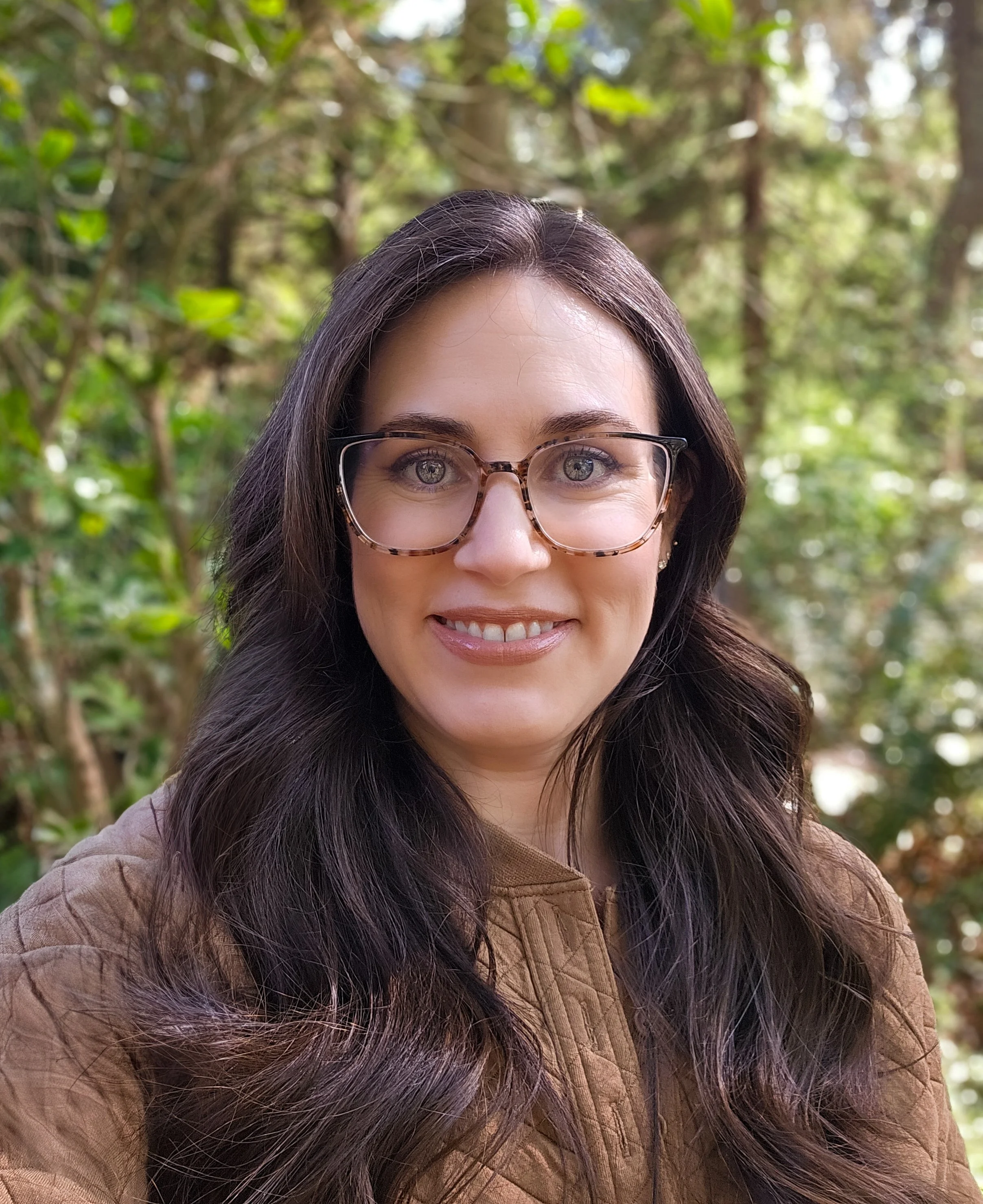
Sarah Jones, Ph.D., CST
WE CAN BE real HERE.
I’m, a Washington-based Licensed Clinical Psychologist and AASECT Certified Sex Therapist. I provide individual and couples therapy to adolescents and adults in all 42+ PSYPACT participating states. I specialize in helping people navigate trauma, sexuality, and relationships through an insight-oriented, evidence-based approach.

WHATEVER BROUGHT YOU HERE matters.
Many people come to therapy feeling like something is wrong with them, or wondering why change feels so hard. You might feel stuck, confused, or frustrated by how familiar patterns keep repeating, even when you’ve spent a lot of time trying to understand yourself or your relationships. In therapy, I work collaboratively and thoughtfully, helping you understand yourself more clearly so that we can work toward change that is meaningful and sustainable. We’ll go deep, we’ll get uncomfortable, and we’ll do work that is truly transformative.

I FREQUENTLY WORK WITH PEOPLE NAVIGATING:
DEPRESSION
life transitions
identity development and exploration
Infertility & reproductive concerns
Relationship patterns & stressors
Sexual health and wellness
TRAUMA
problematic sexual behavior

How I work

01
I BELIEVE THE WAY out IS through.
I don’t practice therapy from a script, and I don’t believe people need to be fixed. Clients often describe me as warm, attuned, and someone who genuinely cares. I’m human and real, not polished or distant.
I value honesty and clarity in the room. I’ll meet you where you are, and I’ll also name things as I see them when it feels helpful. My goal is to balance care and challenge in a way that supports meaningful work.

02
Together, we explore patterns in how you relate to others, how you treat yourself, and how your past continues to show up in the present. The therapy relationship itself often becomes an important place where these patterns can be noticed, understood, and shifted.
Alongside this relational work, I bring years of advanced doctoral training and clinical experience. My training included extensive work in therapy, psychological assessment, research, and full-time clinical practice. That background allows me to understand complex emotional and relational patterns and to offer nuanced, thoughtful care tailored to your specific challenges.

MY METHODS
01
Psychodynamic Therapy
Focuses on understanding how past experiences, early relationships, and attachment patterns continue to shape how you think, feel, and relate today. This depth-oriented approach helps create insight that leads to meaningful, long-term change.
02
Cognitive & Skills-Based Therapy (CBT/CPT/DBT-informed)
Incorporates evidence-based strategies to help manage anxiety, shame, trauma-related beliefs, emotional reactivity, and unhelpful thought patterns that often show up around intimacy and sexuality. These skills-based approaches involve examining stuck beliefs, strengthening emotional regulation, and/or trying new ways of approaching communication, boundaries, and intimacy.
03
Interpersonal Process Therapy
Uses the therapy relationship and the here-and-now to understand how relational patterns show up in real time. What happens between us often offers insight into what’s happening in your relationships outside of therapy.

HEre’s what I believe about therapy:
Change requires courage.
The work of therapy often involves sitting with discomfort, uncertainty, and feelings you’ve learned to avoid. Showing up honestly - even when it’s hard - is where change begins.
Healing is possible, but isn’t linear.
Progress rarely moves in a straight line. There will be moments of insight, relief, and momentum, alongside periods of feeling stuck or unsure - and all of that is part of the process.
Acceptance and change are not mutually exclusive.
Understanding and acceptance are often what make change possible.
My Background
-
Ph.D. in Clinical Psychology - University of Nevada, Las Vegas
APA-Accredited predoctoral internship at Mount Sinai Morningside (formerly St. Luke’s) and West (formerly Roosevelt) Hospitals
Postdoctoral fellowship at DeBalzo, Elgudin, Levine, Risen LLC (formerly Center for Marital and Sexual Health)
-
Certified Sex Therapist through the American Association of Sexuality Educators, Counselors, and Therapists (AASECT)
Certified in Cognitive Processing Therapy (CPT; an evidence-based treatment for traumatic stress) through the U.S. Department of Veterans Affairs
Certified in Motivational Interviewing (MI; an evidence-based approach that helps work through ambivalence and motivate change) through the U.S. Department of Veterans Affairs
Gottman Method Couples Therapy Level I
Intensive and Comprehensive Training in Dialectical Behavior Therapy
Dialectical Behavior Therapy with Couples and Families
-
After fellowship, I began working at the Department of Veterans Affairs as a staff psychologist providing individual, group, and couples therapy in general outpatient mental health and integrated primary care mental health, as well as clinical supervision of trainees and junior colleagues. While at the VA, I co-developed a Sexual Wellness Assessment and Intervention Clinic where I collaborated with providers from various clinics - including OB/GYN, pelvic floor physical therapy, pain, primary care, urology, and with other mental health providers - to deliver comprehensive psychological assessment, consultation, and treatment for sexual concerns.
-
Licensed Clinical Psychologist - Washington License PY61555688
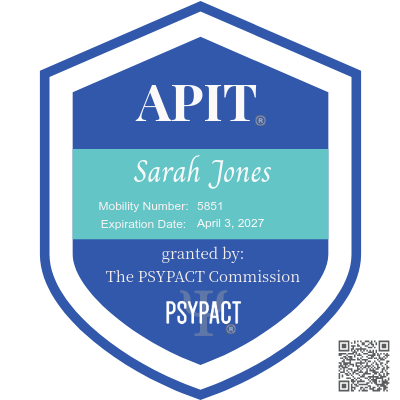
PSYPACT Authority to Practice Interjurisdictional Telepsychology (APIT) - APIT #5851

Change is possible